Most blogs fail not because the writing is bad, but because there’s no real SEO content strategy behind them.
Publishing random posts without understanding search intent, planning topic clusters, or building a clear seo content plan rarely leads to rankings.
To make blog content work in 2026, you need more than keywords—you need a structured content strategy for SEO that connects pillar pages, evergreen content, editorial calendars, and content briefs into one focused roadmap that search engines and users both trust.
In this article, you’ll learn how to build an SEO content strategy that turns blog ideas into a structured content plan designed to rank, attract the right audience, and grow organic traffic.
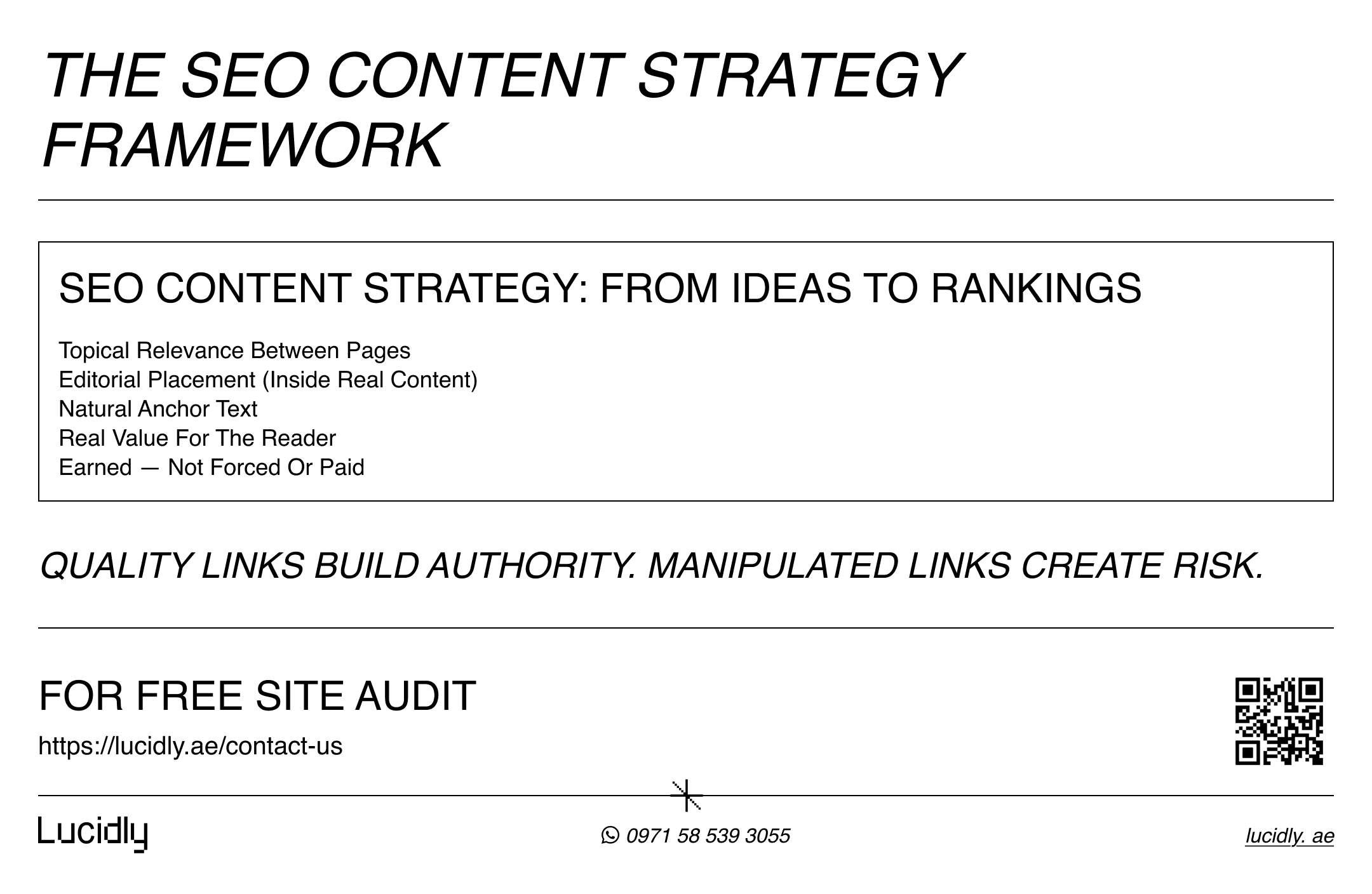
What Is an SEO Content Strategy?
An SEO content strategy is the plan behind what you publish, why you publish it, and how each piece supports rankings and business goals.
It’s not just “write more posts”—it’s a system for content strategy for SEO that connects search intent, topic clusters, and pillar pages into one seo content plan.
With the right content planning for SEO, you decide which topics to target, how to structure each article, and when to publish using an editorial calendar SEO—so your blog content earns visibility, authority, and consistent organic traffic over time.
Set Clear Goals Before You Plan Any Content
Before creating a single post, a successful SEO content strategy starts by defining clear goals.
Blog content for SEO should support real outcomes—not just traffic, but visibility at the right funnel stage, qualified leads, and long-term authority.
When goals are clear, content planning for SEO becomes focused: each topic, keyword, and format is chosen because it serves a purpose.
This clarity helps you decide what deserves a pillar page, what fits into topic clusters, and how your overall content strategy for blogs should evolve.
Understand Your Audience and Search Intent
An effective SEO content strategy is built around people, not just keywords. To plan blog posts that actually rank, you need to understand three core elements:
Who your audience is and what stage they’re in.
What problem or question they’re trying to solve.
The search intent behind each query (informational, commercial, or transactional).
According to Google’s explanation of how search works, understanding user intent is critical to determining which pages are relevant enough to appear in search results.
When your content strategy for SEO aligns with intent, your blog content for SEO becomes more relevant, fits naturally into topic clusters, and is far more likely to rank consistently.
do better Keyword Research for your content plan after reading this guide from our blog.
Audit Existing Content Before Creating Anything New
A smart SEO content strategy doesn’t start with new articles—it starts by reviewing what you already have.
A content audit helps you identify which pages support your seo content plan, which ones need updating, and which are holding your rankings back.
By analyzing existing blog content for SEO, you can uncover quick wins, avoid keyword cannibalizations, and strengthen your topic clusters before investing time in new content.
Identify pages to keep, update, merge, or remove.
Spot thin or outdated content hurting authority.
Find opportunities to improve evergreen content.
Fix overlapping topics that confuse search engines.
From Keywords to Topics: Building Your SEO Content Plan
Effective content planning for SEO goes beyond collecting keywords—it focuses on turning them into meaningful topics.
Instead of targeting isolated terms, a strong SEO content strategy groups related ideas into structured themes that reflect how people actually search and consume content.
Group Keywords by Search Intent
Start by categorizing keywords based on intent—informational, commercial, or transactional. This step ensures every piece of blog content for SEO answers a specific user need and fits naturally into the buyer’s journey.
Identify Topics That Deserve Pillar Pages
Not every keyword needs its own page. Broad, high-value themes should become pillar pages that act as central hubs, while related subtopics support them through internal linking and depth.
Use Supporting Keywords to Shape Topic Clusters
Secondary and related keywords help define the scope of each cluster article. When used correctly, they strengthen topical relevance without keyword stuffing.
Align Topics With Your Content Roadmap
Every topic should have a clear place in your content roadmap, helping you prioritise what to publish first and maintain consistency across your editorial calendar SEO.
Build Topic Clusters and Pillar Pages That Scale Rankings
A scalable SEO content strategy relies on structure, not volume. Instead of publishing disconnected blog posts, you organise blog content for SEO into topic clusters supported by strong pillar pages.
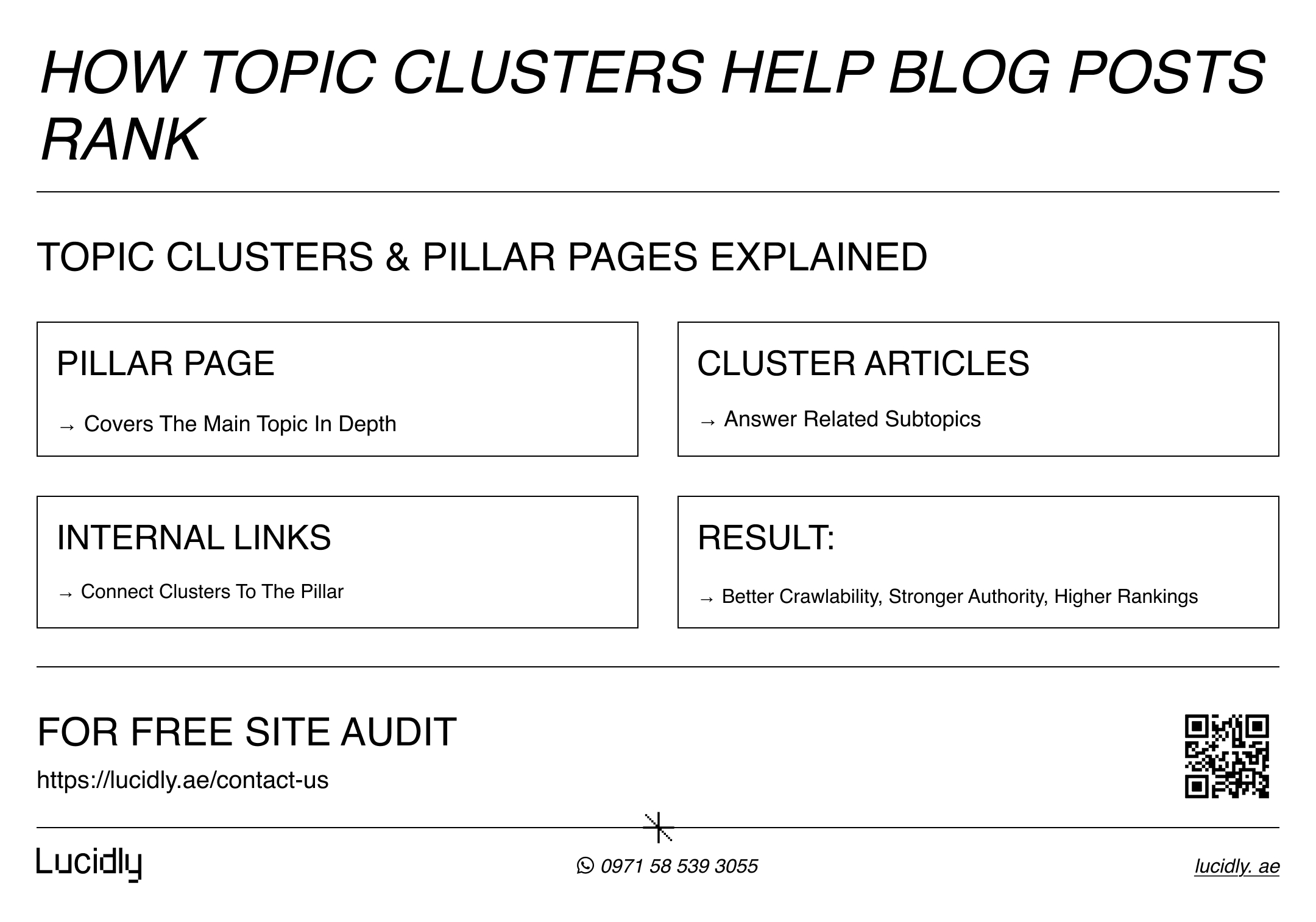
This model helps search engines understand topical depth and relationships, while making it easier for users to navigate your content and find complete answers.
Choose Strong Pillar Topics
Pillar topics should be broad enough to cover an entire subject, yet focused enough to match clear search intent.
These pages act as the foundation of your seo content plan and target competitive, high-impact keywords.
Map Cluster Content Around Each Pillar
Each pillar page should be supported by multiple cluster articles that cover subtopics in detail.
These supporting posts strengthen relevance and signal authority when internally linked back to the pillar.
Design Internal Linking With Purpose
Internal links are what connect topic clusters together.
When every cluster article links to its pillar—and related clusters link to each other—you create a clear structure that improves crawlability, user experience, and rankings.
after learning the best ON-PAGE SEO practices, you’ll be able to rank #1 on serp.
Prioritise Topics to Create a Clear Content Roadmap
Once you have your topics and clusters, the next step in content planning for SEO is deciding what to publish first.
A strong SEO content strategy doesn’t treat every idea equally—it builds a realistic content roadmap based on impact, effort, and ranking potential.
This prevents wasted time on low-value posts and ensures your blog content for SEO moves your site forward with each publish.
Score Topics by Business Impact
Prioritise topics that attract your ideal audience and support real outcomes like leads, enquiries, or product interest—not just pageviews. High-impact topics deserve earlier placement in your seo content plan.
Balance Quick Wins and Authority Builders
Mix easier cluster posts (low competition) with bigger pillar content (higher competition). Quick wins build momentum, while pillar pages and evergreen content build long-term authority.
Avoid Keyword Cannibalisation by Planning
If two posts target the same intent, they compete and weaken each other. A good roadmap assigns one primary page per intent and uses supporting articles to expand the cluster without overlap.
Want help implementing this checklist across your key pages? Learn more and request on-page support from our Professional SEO firm.
Create an Editorial Calendar You Can Actually Maintain
A sustainable SEO content strategy needs consistency, not bursts of publishing. That’s where an editorial calendar SEO turns your content roadmap into action.
Instead of guessing what to publish each week, your calendar gives structure to content planning for SEO, helping you balance pillar pages, cluster posts, and evergreen content without burning out.
Set a Realistic Publishing Cadence
Choose a schedule you can maintain—weekly, bi-weekly, or monthly. Consistency matters more than frequency when building blog content for SEO that compounds over time.
Mix Content Types Strategically
A strong calendar balances different formats to support rankings and business goals. Plan pillar pages, supporting cluster articles, updates to evergreen content, and bottom-of-funnel pieces together.
Track More Than Just Publish Dates
An effective editorial calendar SEO also tracks target topics, search intent, internal links, updates, and performance notes—so your seo content plan stays organised and scalable.
Use Content Briefs to Produce Posts That Actually Rank
A great SEO content strategy can fail if writers don’t have clear direction. That’s why content briefs are the bridge between planning and performance.
A strong brief turns your seo content plan into a repeatable process: it aligns the writer with search intent, defines the angle, and ensures each article supports your topic clusters and pillar pages.
Include the Non-Negotiable SEO Inputs
Every brief should define the target topic, primary keyword, and supporting terms—plus the intent the page must satisfy. This keeps blog content for SEO focused and prevents “nice writing” that doesn’t rank.
Outline Structure Before Writing
Briefs should provide a clear H2/H3 outline that matches the SERP expectations. This helps the writer cover the topic completely, support readability, and naturally include important related terms like topic clusters and evergreen content.
Plan Internal Links and the Next Step
A post shouldn’t exist alone. A strong brief specifies which pillar page to link to, which cluster articles to reference, and what CTA to use—so each article strengthens the overall content strategy for SEO.
external links also matters, know better about it with OFF-PAGE SEO and authority.
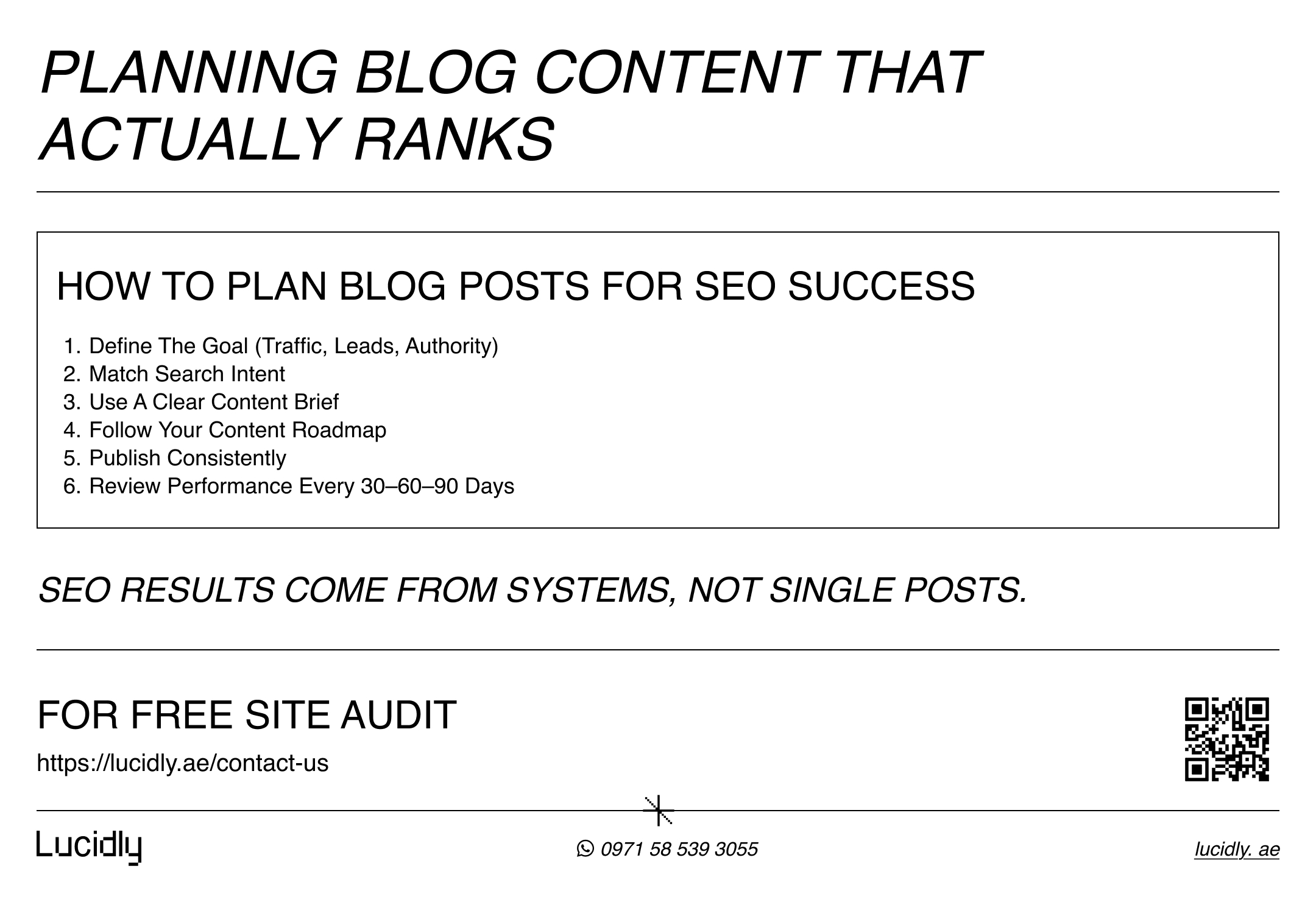
Measure Performance and Improve Your SEO Content Strategy Over Time
Publishing is not the finish line. A successful SEO content strategy relies on continuous measurement and improvement.
By tracking performance, you can see which blog content for SEO is gaining visibility, where rankings are stuck, and how your seo content plan should evolve based on real data—not assumptions.
Track the Right SEO Metrics
Focus on metrics that reflect progress, such as impressions, clicks, average position, and conversions. These signals show whether your content strategy for SEO is attracting the right audience and matching search intent.
Review Content on a 30–60–90 Day Cycle
Set regular review checkpoints to evaluate new and existing posts. This allows you to refresh titles, expand sections, improve internal linking, and strengthen evergreen content before performance declines.
Google Search Central also recommends regularly reviewing and updating content to ensure it remains accurate, relevant, and useful as search behaviour and competition evolve.
Turn Insights Into Content Updates
Data should guide action. Use what you learn to update underperforming pages, expand successful topic clusters, and refine your content roadmap—so your strategy improves with every iteration.
Common SEO Content Strategy Mistakes (and How to Avoid Them)
Even with a solid seo content plan, small mistakes can stop your blog from ranking.
The issue is rarely “Google hates my site”—it’s usually inconsistent content planning for SEO, weak structure, or content that doesn’t match search intent.
Avoid these common pitfalls to keep your SEO content strategy clean, scalable, and focused.
Publishing Without a Clear Search Intent
If the intent is unclear, the post becomes vague—and search engines don’t know when to rank it. Always define whether the post is informational, commercial, or transactional before writing.
Creating Random Posts Instead of Topic Clusters
Standalone articles don’t build authority. When your blog content for SEO isn’t connected through topic clusters and pillar pages, you miss the compounding effect that helps rankings grow.
Skipping Updates for Evergreen Content
Evergreen content still needs maintenance. If you publish and never refresh, competitors will overtake you, and your content roadmap will lose momentum over time.
Weak Internal Linking and No Next Step
A post without internal links is a dead end. Your content strategy for blogs should guide readers to pillar pages, cluster content, and the right CTA—so each post strengthens the whole site.
FAQ
What is an SEO content strategy?
An SEO content strategy is a structured plan for creating, organising, and maintaining content so it matches search intent, supports topic clusters and pillar pages, and drives sustainable organic traffic—not just short-term rankings.
How do I plan blog posts that rank?
You plan ranking blog posts by starting with search intent, grouping topics into clusters, prioritising them in a content roadmap, and using clear content briefs to guide creation within your content strategy for SEO.
How often should I publish content?
There’s no fixed rule. Consistency matters more than frequency. Choose a publishing cadence you can maintain within your editorial calendar SEO, whether weekly, bi-weekly, or monthly.
What makes content “SEO-friendly”?
SEO-friendly content is clear, intent-driven, well-structured, internally linked, and genuinely helpful. It fits naturally into your seo content plan, strengthens topical authority, and provides real value to users.
A successful SEO content strategy isn’t about publishing more—it’s about publishing with purpose.
When your content is planned around search intent, organised into topic clusters, supported by pillar pages, and guided by a clear editorial calendar, every blog post works as part of a larger system.
By measuring performance and refining your seo content plan over time, you move from chasing rankings to building lasting visibility, authority, and organic growth.
Contact us for a website evaluation—message Lucidly on WhatsApp and we’ll pinpoint the on-page issues holding your pages back.
References
Google Search Central — Creating Helpful, Reliable, People-First Content
UAE Ministry of Economy — Digital Economy and Innovation